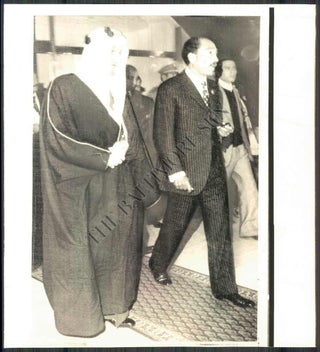
Committee on Justice for Victims of Nazism Facts on Nazi Germany 1936 Mimeographed Report Documenting Early Camp Regulations
Ephemera
Committee on Justice for Victims of Nazism. Facts on Nazi Germany, 1936 anti-Nazi report documenting early concentration camp discipline and political repression under the Third Reich, issued to mobilize American awareness during a period of widespread isolationist sentiment in the United States. Produced three years before the outbreak of World War II, the document records one of the earliest organized efforts by an American advocacy group to circulate evidence of Nazi violence, specifically targeting the treatment of political prisoners in the initial concentration camp system established after 1933. The report identifies Esterwegen as a site of incarceration for political opponents and includes translated internal regulations that detail punitive discipline, forced labor expectations, and execution threats directed at prisoners categorized as political dissidents, Jews, and alleged enemies of the state.Editorial Board of the Committee on Justice for Victims of Nazism. Facts on Nazi Germany. Number Three. New York: Committee on Justice for Victims of Nazism, October 15, 1936. Mimeographed document. The publication consists of 11 mimeographed pages and includes contemporary marginalia and underlining in pencil, indicating close reading by an early owner. The text opens with an editorial statement noting that the committee had obtained the material “a few days ago,” followed by an appeal to American audiences: “By publishing this horrendous document we wish to bring to the consciousness of the American public the plight of the German people under barbarian Hitler rule…the vast majority of the German population looks to the world outside, particularly America, for moral support.” The reprinted German directives emphasize coercion and ideological enforcement, stating “Tolerance means weakness…ruthlessness will be exercised when the interests of the Fatherland are at stake.” Detailed disciplinary measures include confinement on bread and water, corporal punishment, and execution for acts such as alleged mutiny or resistance. Specific infractions are enumerated, including penalties for writing more than two letters monthly, speaking disrespectfully to guards, or minor breaches of barracks discipline, demonstrating the totalizing regulatory system imposed within the camp.
Issued during a period when U.S. public opinion remained divided over involvement in European affairs, this document contributes to the study of early transnational anti-fascist networks, exile politics, and information dissemination prior to the consolidation of wartime alliances. Advocacy groups such as the Committee on Justice for Victims of Nazism attempted to counter limited press coverage and official reluctance to confront Nazi Germany by distributing translated materials that documented internal repression. The inclusion of Esterwegen regulations situates the publication within the early development of the concentration camp system, before its later expansion and transformation during the war. Minor edge wear, horizontal crease, last page detached with toning and small losses at the fold, and scattered pencil markings; overall good to very good. A scarce example of prewar American anti-Nazi advocacy in printed form, with documented engagement by a contemporary reader.
Item #15927
Price: $880.00
See all items in New York, Judaica, World War II
See all items in American History by State, International & Global Culture, Military & War
See all items by Committee on Justice for Victims of Nazism
See all items in New York
Suggested World War IIBrowse All





Suggested JudaicaBrowse All






Suggested New YorkBrowse All








Suggested International & Global CultureBrowse All