Film and Media History Promotional Photographs from Orson Welles’s Citizen Kane, 1940
Photograph
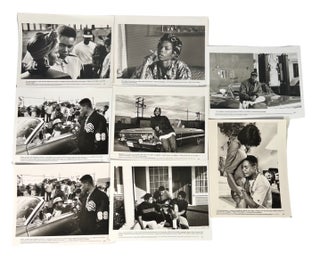
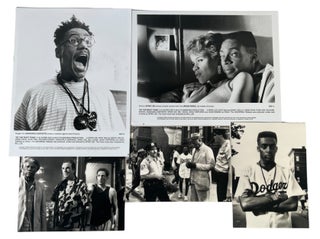
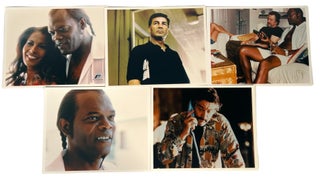
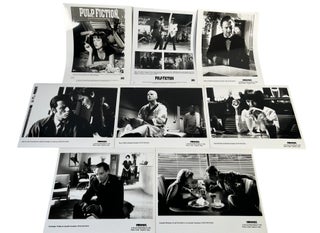
Welles, Orson. Citizen Kane (1940) became one of the most influential films in twentieth century cinema through its narrative structure, visual style, and critique of media power in American society. Welles wrote, directed, produced, and starred in the film, an unusual concentration of creative control for a first time feature film director at the time. The story follows the life of newspaper magnate Charles Foster Kane and draws inspiration from the career of publishing figure William Randolph Hearst. The photographs in this archive reproduce scenes used to promote the film during its theatrical release and preserve visual documentation of several moments that became closely associated with the film’s reputation in cinema history.Citizen Kane. RKO Radio Pictures, 1940. Archive of five original silver gelatin lobby card photographs measuring approximately 8 x 10 inches. The glossy black and white images depict scenes featuring Orson Welles as Charles Foster Kane along with actors Erskine Sanford and Joseph Cotten. One photograph shows Welles standing before a massive campaign banner bearing the name Kane during a political rally scene. Another image depicts Welles positioned atop a large collection of newspapers. Additional photographs present moments of dialogue between principal characters. Most photographs carry printed production information in the lower white margin including the film title, year of release, and the RKO Radio Pictures insignia.
Released in 1940, Citizen Kane introduced stylistic innovations that reshaped cinematic storytelling, including extensive use of deep focus photography, dramatic lighting contrasts, and a narrative structure built around fragmented recollections of the central character’s life. The film’s portrayal of a powerful newspaper publisher invited contemporary political interpretation because of its parallels with the influence of major American media figures during the early twentieth century. Over the decades the film gained sustained critical recognition and was frequently ranked among the most important works in cinema history by critics and film institutions. Five photographic lobby cards measuring approximately 8 x 10 inches. Minor handling wear consistent with theater promotional materials. Overall condition very good.
Item #19728
Price: $1,400.00
See all items in California, Production Stills, Lobby Cards, & Posters, Popular Culture
See all items in American History by State, Film & Entertainment, Mass Media & Popular Culture, Archive
See all items by Orson Welles Citizen Kane
See all items in California
Suggested Production Stills, Lobby Cards, & PostersBrowse All




Suggested Popular CultureBrowse All




Suggested CaliforniaBrowse All



Suggested Film & EntertainmentBrowse All