Lesbian Pulp Fiction and Mass-Market Representations of Female Same-Sex Desire, 1962–1964
Collection
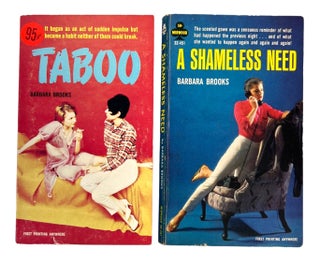
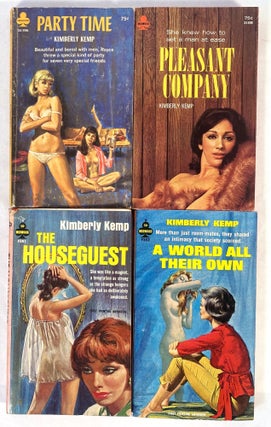
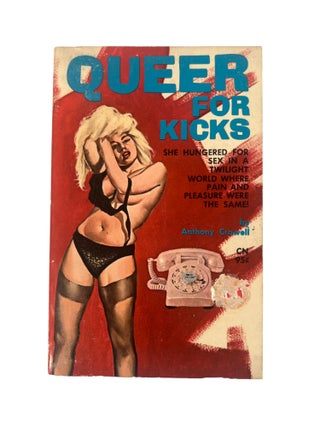
Various authors, group of lesbian-themed pulp novels, 1962–1964, documenting the representation of female same-sex desire within mid-twentieth-century American mass-market publishing. The material operates in Cultural/Representational Mode, illustrating how lesbian identity was depicted through commercially driven narratives that combined sensationalism, moral framing, and coded visibility, and providing insight into the role of pulp fiction in shaping public perceptions of gender and sexuality during a period of cultural restriction. These works reflect the tensions between exploitation and representation, presenting narratives that alternately frame lesbian relationships as deviant, experimental, or emotionally significant.Various authors. Group of four paperback novels. Los Angeles and New York: Raven Book, Boudoir, Midwood, and Universal, 1962–1964. Archive includes: [1] Spencer, Gail. Lesbian Lovers. Los Angeles: Raven Book, 1962, depicting a female protagonist rejecting heterosexual relationships and forming an intimate bond with another woman; [2] Bishop, George. Lesbian Love. Los Angeles: Boudoir, 1964, first printing, presented as a “study” combining pseudo-clinical framing with narrative accounts of same-sex relationships; [3] Bouma, J. L. Never Say No. New York: Midwood, 1964, portraying a relationship between women shaped by power dynamics and secrecy; [4] Kent, Justin. Mavis. Derby, New York: Universal, 1964, following a married woman whose relationship with another woman disrupts domestic life. All volumes feature illustrated covers emphasizing interpersonal tension and stylized female figures, with marketing language characteristic of mid-century pulp publishing.
These novels document the circulation of lesbian themes within widely distributed paperback formats during the postwar period, when mainstream literary venues largely excluded such content. The narratives reveal how publishers packaged same-sex desire within frameworks of psychology, morality, and sensational storytelling, while still providing points of recognition for readers seeking representation. As a group, the works contribute to the study of LGBTQ+ literary history, gender norms, and the economics of pulp publishing. Minor rubbing and occasional spine creasing; no missing pages or internal markings; overall very good or better condition. A representative grouping illustrating the conventions and cultural significance of lesbian pulp fiction in mid-century Amer.
Item #21936
Price: $585.00
See all items in California, Lesbian Literature & Pulp
See all items in American History by State, LGBTQ+ History, Literature & Literary Archives, Archive
See all items by Early Lesbian Pulp Novels
See all items in California; New York
Suggested Lesbian Literature & PulpBrowse All




Suggested CaliforniaBrowse All





Suggested LGBTQ+ HistoryBrowse All


Suggested Literature & Literary ArchivesBrowse All