French Resistance and Liberation Movement Political Culture in World War II Ephemera Archive, 1944–1945
Archive
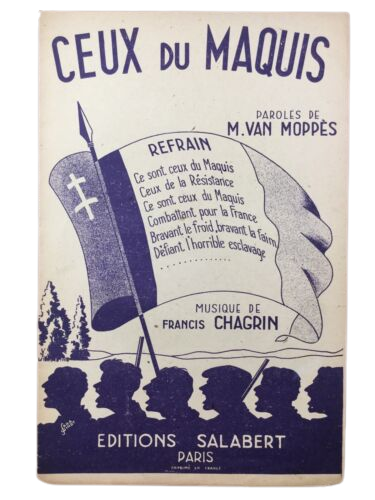
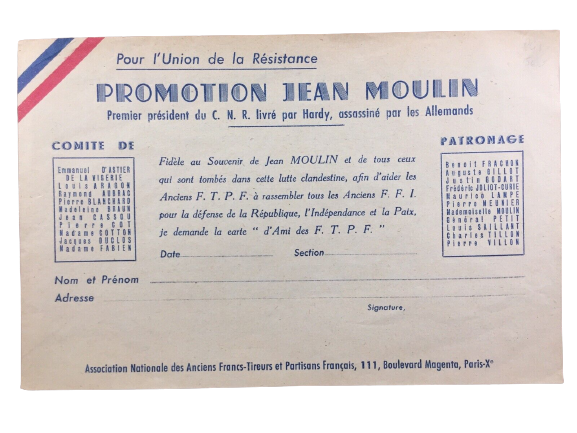
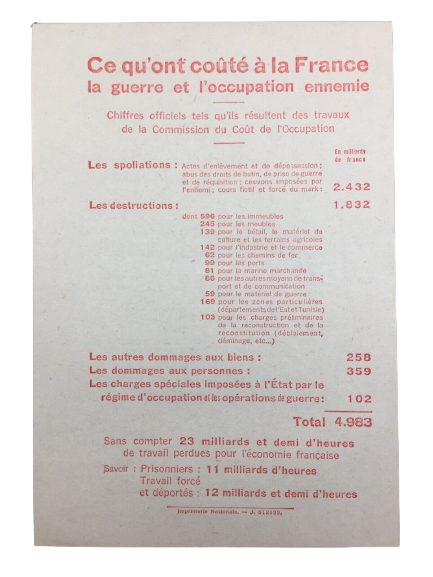
French Resistance ephemera archive, 1944–1945, documents the political messaging, organizational structure, and cultural expression of the French Liberation movement in the final phase of World War II. Produced as Allied forces advanced and German occupation collapsed, the materials articulate core principles of the resistance, including “popular sovereignty, social justice, national independence,” as stated in a National Liberation Movement manifesto included in the group. The archive also reflects the central role of symbolic figures such as Jean Moulin, whose leadership in unifying resistance networks and organizing the Maquis made him a martyr of the movement after his death in German custody. Printed texts emphasize sacrifice, collective struggle, and national renewal, situating the resistance within both military and ideological frameworks as France transitioned from occupation to liberation.Archive of 6 original printed items in French, dating from 1944 to 1945, measuring approximately 4 x 3 inches to 10 x 7 inches. The group includes a National Liberation Movement manifesto; a polychrome membership card for the French Freedom Fighters featuring an allegorical winged female figure rallying troops; a printed document titled “Promotion Jean Moulin,” a blank membership or support form honoring Moulin and “all those that fell like him for the fight and the cause of Liberty”; a document titled “Ce que cela a coûté à la France” detailing the material and human costs of German occupation; a transcript of a radio address by Commander Vaillant concerning liberation; and two tracts including a songbook for “Ceux du Maquis,” with lyrics describing resistance fighters “braving the cold… braving the hunger… defying… slavery,” accompanied by a cover illustration of men singing beneath the French flag.
Produced during the liberation of France, these materials demonstrate how resistance movements combined political ideology, propaganda, and cultural production to sustain morale and mobilize participation. The integration of manifestos, membership documents, and songs reflects a coordinated effort to define the identity and goals of the post occupation nation while commemorating those who died in the struggle. Such ephemera provide insight into the internal language and symbolic frameworks of resistance networks at the moment of transition from clandestine activity to public political life. Light toning present without impact to legibility; manifesto split along original fold lines. Overall very good.
Item #18336
Price: $750.00
See all items in World War II, Europe
See all items in International & Global Culture, Military & War, World History by Geography, Archive
See all items by France
See all items in France
Suggested World War IIBrowse All


Suggested EuropeBrowse All




Suggested ArchiveBrowse All





Suggested World History by GeographyBrowse All