Antebellum Women’s Writing and Proto Suffrage Thought Bradt Autograph Manuscript 1853 on Female Strength and Collective Responsibility
Manuscripts & Autographs
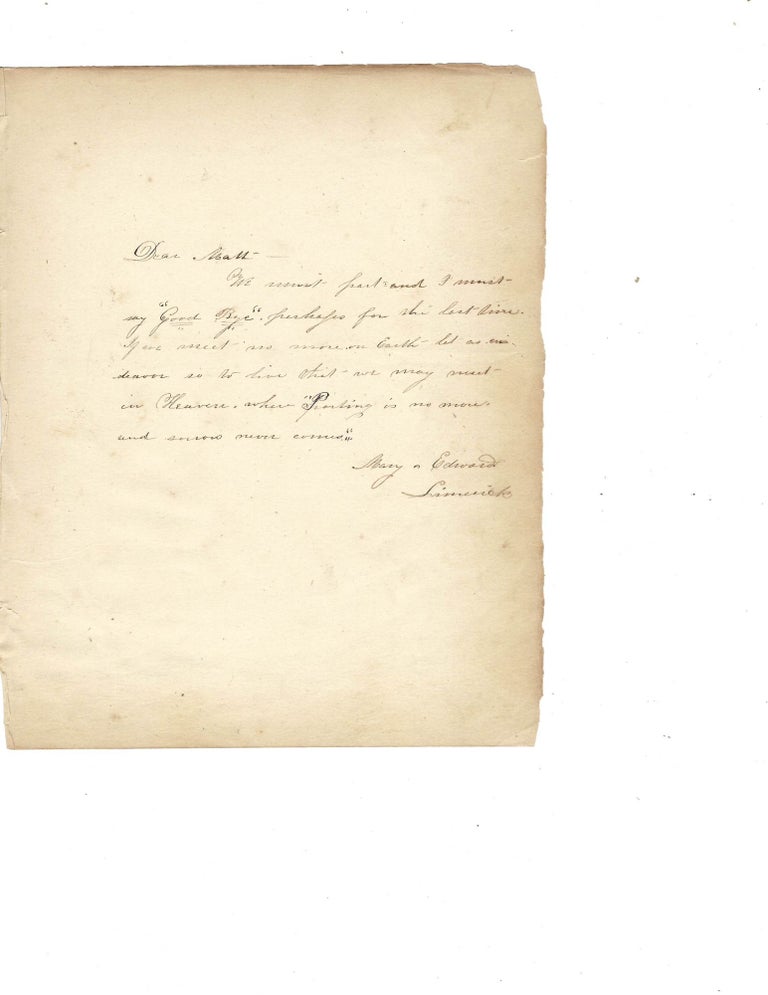
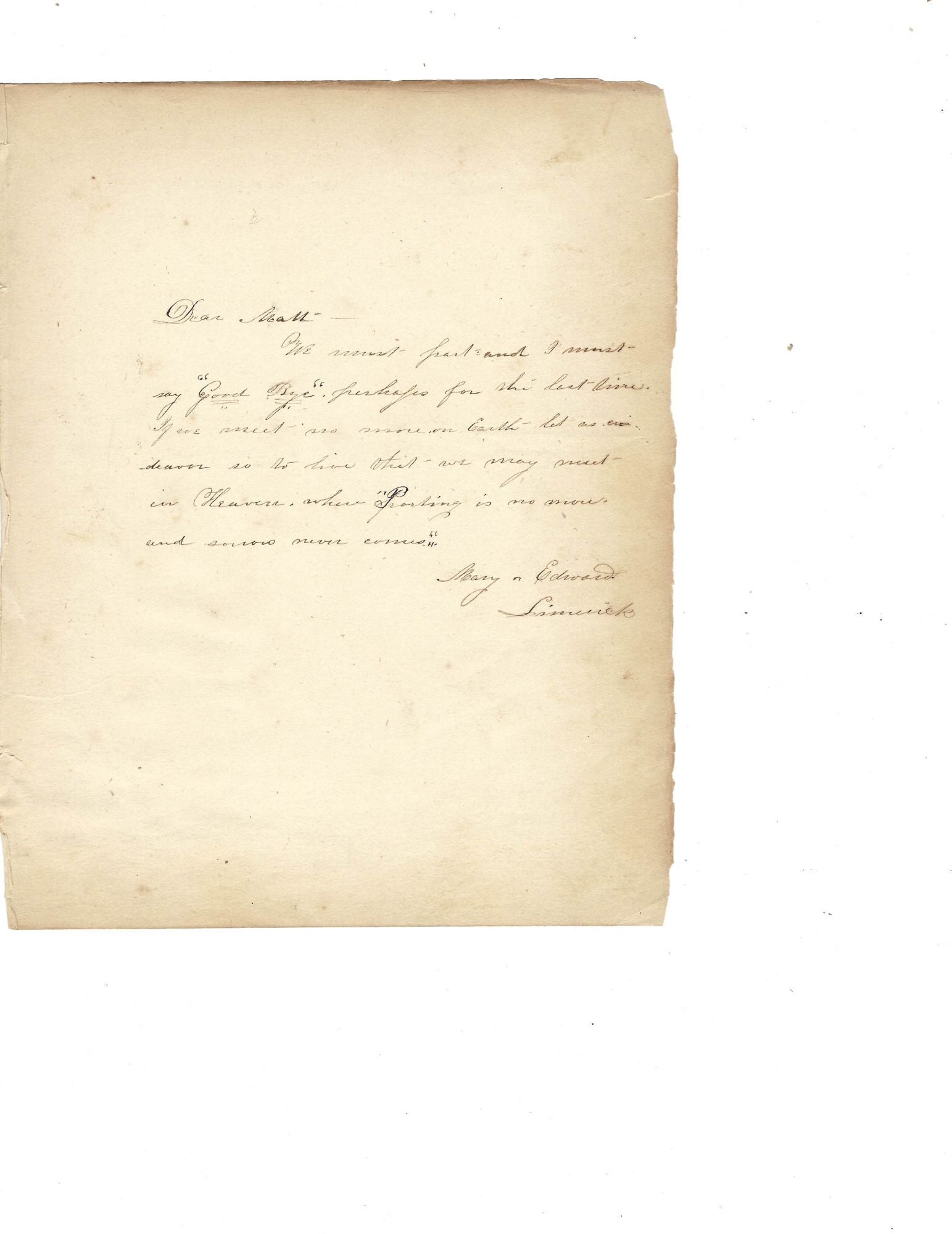
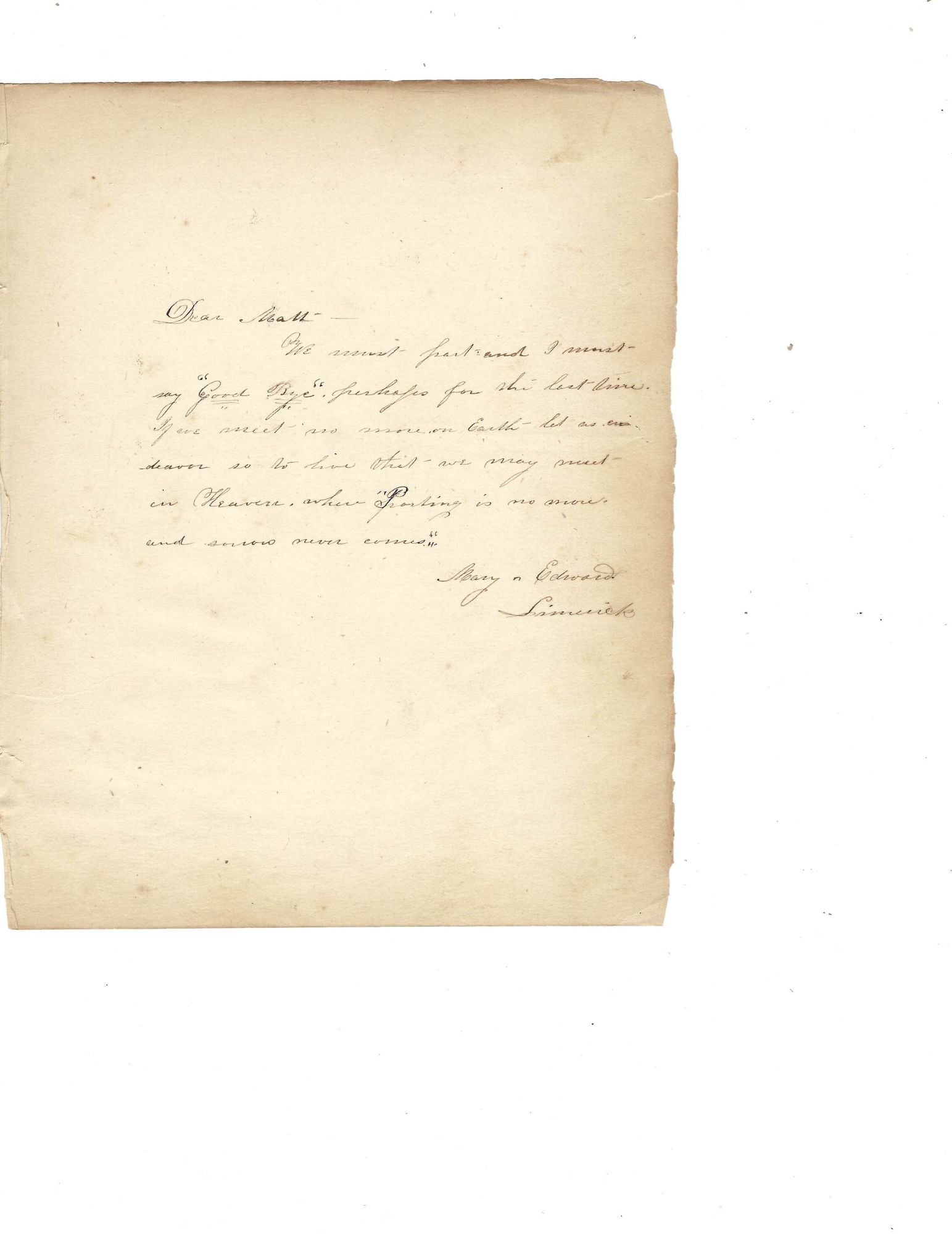
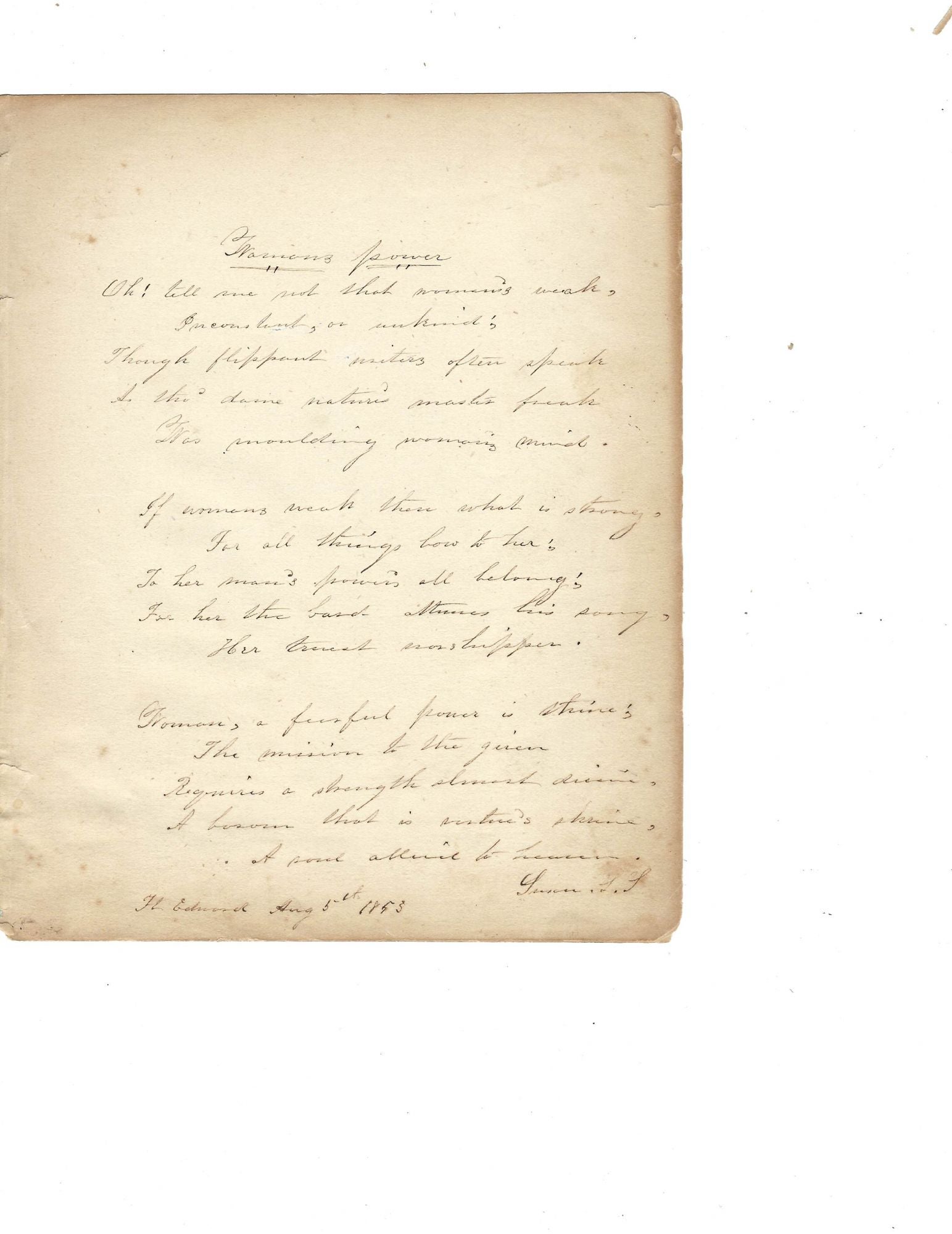
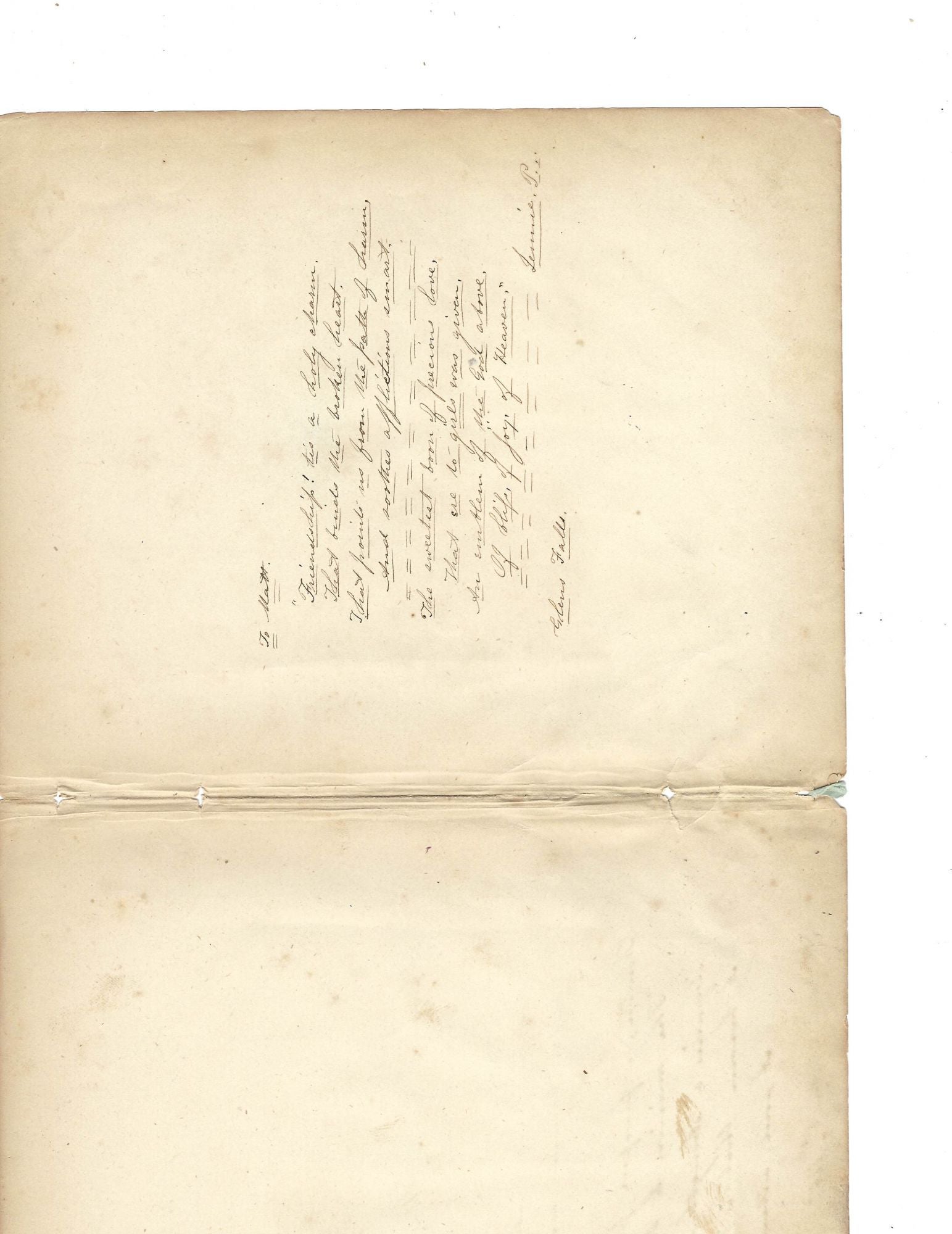
Bradt, Susan S. Autograph manuscript signed and dated 1853, documents early expressions of women’s intellectual and moral authority in the decade preceding the organized suffrage movement in the United States. Produced within the cultural practice of manuscript exchange in friendship albums, the text preserves a handwritten version of Frank Walter’s poem “Woman’s Power,” a composition that articulates female strength, influence, and collective responsibility at a moment when women’s rights discourse was gaining public traction following the Seneca Falls Convention. The manuscript provides evidence of how poetic texts circulated among women as vehicles for articulating shared identity, moral authority, and social obligation, supporting research into antebellum women’s writing, informal literary networks, and the ideological foundations of early feminist thought.Bradt, Susan S. Autograph manuscript signed, 1853. Three pages, disbound from a friendship album. The first page contains a handwritten version of “Woman’s Power,” including the lines: “If woman’s weak then what is strong? / For all things bow to her / To her men’s powers all belong… Woman, a fearful power is thine / The mission to thee given / Requires a strength almost divine.” The remaining two pages contain additional poems addressed to “Matt,” indicating personal or social exchange within the album context. The manuscript is written in a consistent hand and reflects the common nineteenth-century practice of copying and adapting published or circulating verse into personal albums.
Created in the early 1850s, when women’s rights advocacy was expanding through lectures, publications, and reform networks, the manuscript demonstrates how literary expression functioned as a parallel channel for disseminating ideas about gender, power, and responsibility. The emphasis on mutual support among women aligns with broader antebellum reform movements that linked moral authority to social action, including abolition and early suffrage organizing. Friendship albums served as semi-private spaces where such ideas could be shared, preserved, and personalized, offering insight into the intellectual culture of women outside formal political institutions. Light wear from prior binding; pages clean and legible; overall in very good condition.
Item #15305
Price: $650.00
See all items in Women’s Suffrage & Early Women’s Rights
See all items in Women’s History & Feminism, Autographs, Manuscripts & Letters
See all items by Susan Bradt Grace Greenwood
Suggested Women’s Suffrage & Early Women’s RightsBrowse All

Suggested Women’s History & FeminismBrowse All




Suggested Autographs, Manuscripts & LettersBrowse All