Indigenous Life in Papua New Guinea Photo Archive of 33 original silver gelatin photographs 1944–1945
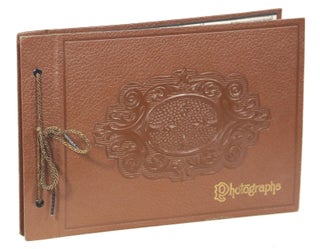
Photograph
Papua New Guinea Photo Archive of 33 original silver gelatin photographs taken in Papua New Guinea circa 1944–1945, as dated in pencil on several versos. The images document traditional village life among Indigenous New Guineans, many shown in ceremonial attire, performing subsistence labor, or posed outside grass-thatched huts. Several photos include White men in Western dress, likely visiting for military, anthropological, or missionary purposes during the World War II Pacific campaign, a period that brought foreign occupation and anthropological interest to many previously uncolonized or semi-isolated Papuan regions. Each measure approximately 3.5" x 2.5". Many images showcase Indigenous men and women wearing elaborate ritual regalia: skirts of plant fibers, necklaces of shell and bone, nose and ear ornaments, and headpieces adorned with feathers. In some photos, male villagers are shown carrying large slit-gong drums strapped over their shoulders with rope—likely part of a ceremonial performance, as these drums were used in both musical and communicative traditions across the Sepik and Highlands regions One series captures local men holding American Esquire magazines and smoking cigarettes, suggesting both the imposition of and interaction with the visiting Westerners. The historical context of these photographs is rooted in the Allied occupation of Papua New Guinea during World War II, particularly by U.S. and Australian forces. While combat operations were widespread in New Guinea from 1942 to 1945, the final years of the war saw increased documentation by visiting soldiers, anthropologists, and missionaries, many of whom sought to capture what they perceived as “vanishing” cultures. Indigenous Papuans during this era lived primarily in small clan-based villages, practicing subsistence horticulture, ritual exchange, and complex oral traditions. The intrusion of Westerners, especially during the war, had deep and lasting impacts on social structures, religious practices, and material culture, and this archive reflects the tension between visibility, objectification, and resilience. Minor curling and edgewear, overall very good condition. A rich and rare visual record of traditional Indigenous life in Papua New Guinea on the cusp of dramatic wartime and postwar transformation, with significant documentary value for visual anthropology, Pacific studies, and the wartime colonial encounter.Item #22118
Price: $385.00
See all items in World Indigenous Peoples, Imperialism & Colonialism
See all items in Indigenous Peoples, Military & War, Photography, Archive
See all items by Papua New Guinea Indigenous Life
Suggested World Indigenous PeoplesBrowse All


Suggested Indigenous PeoplesBrowse All


Suggested PhotographyBrowse All

Suggested ArchiveBrowse All