From Student to Teacher: Progressive Era Women’s Education Documented in 143 Photographs, 1911–1919
Photograph
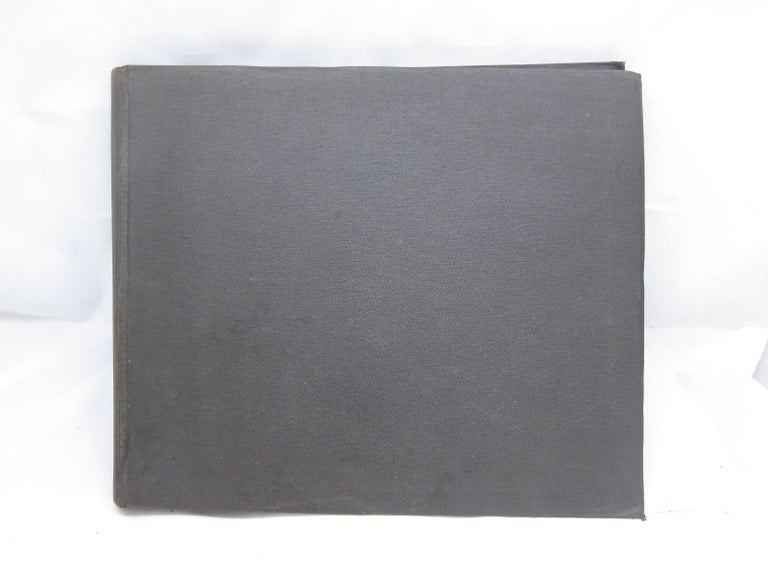
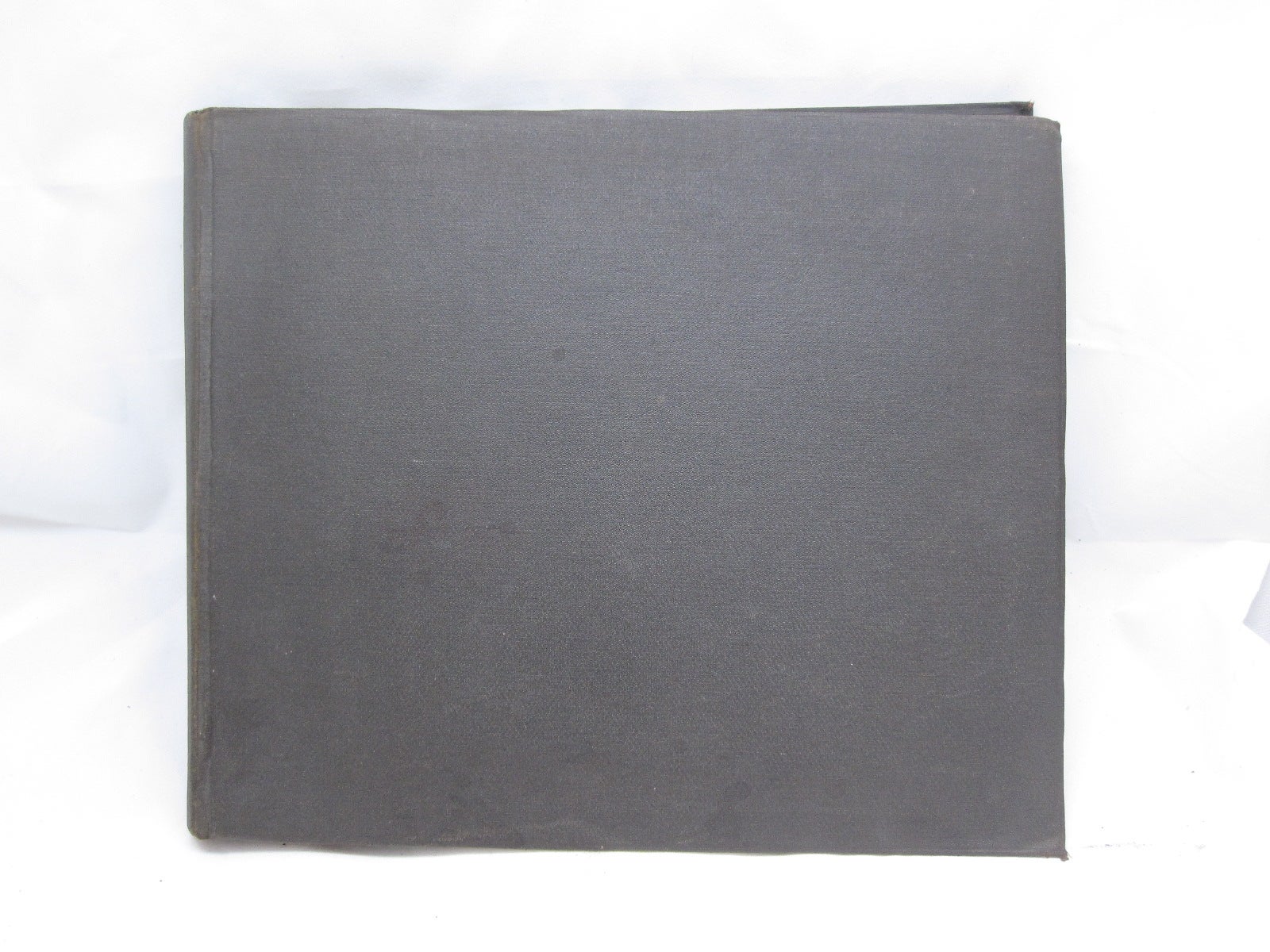
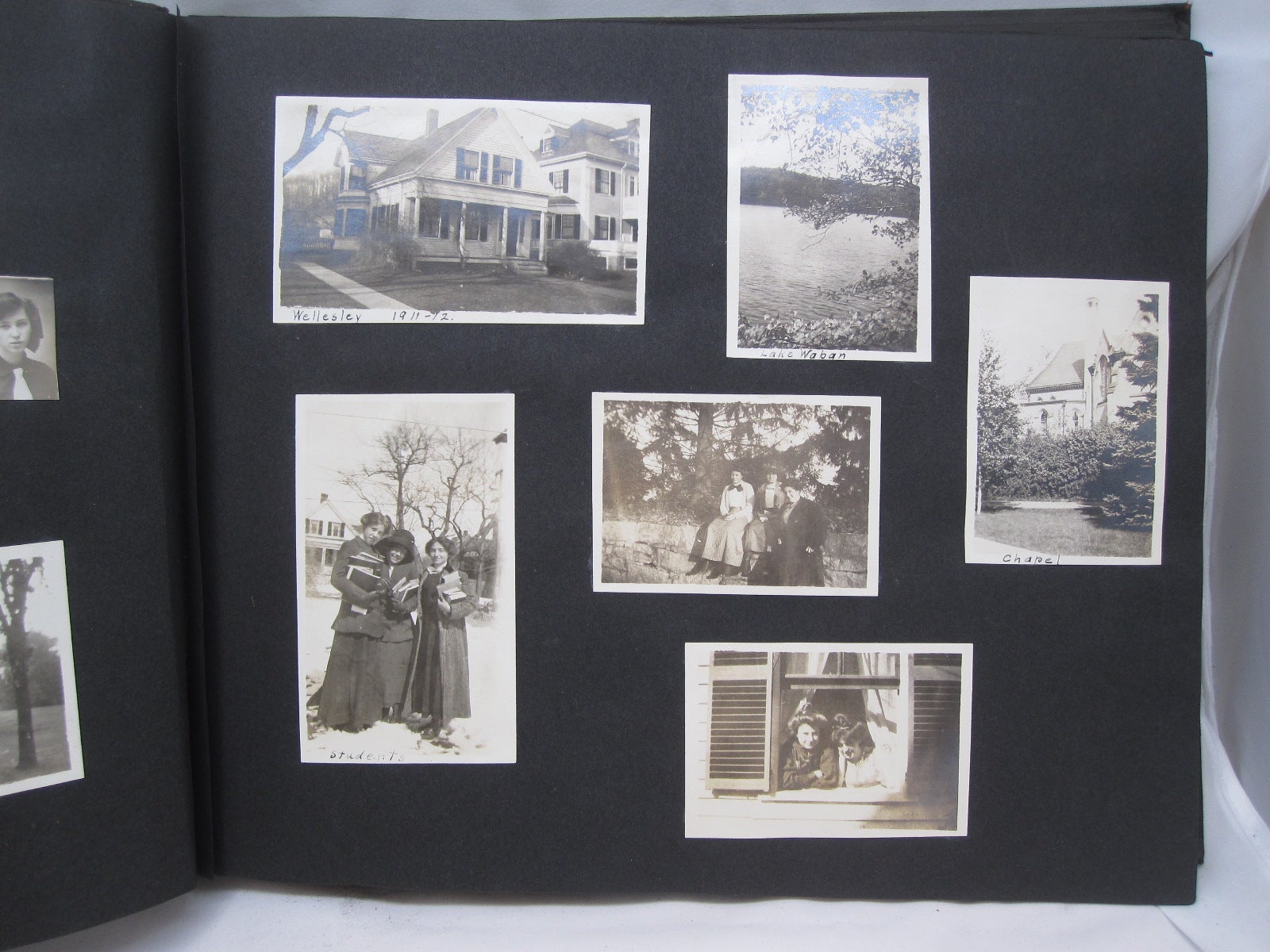
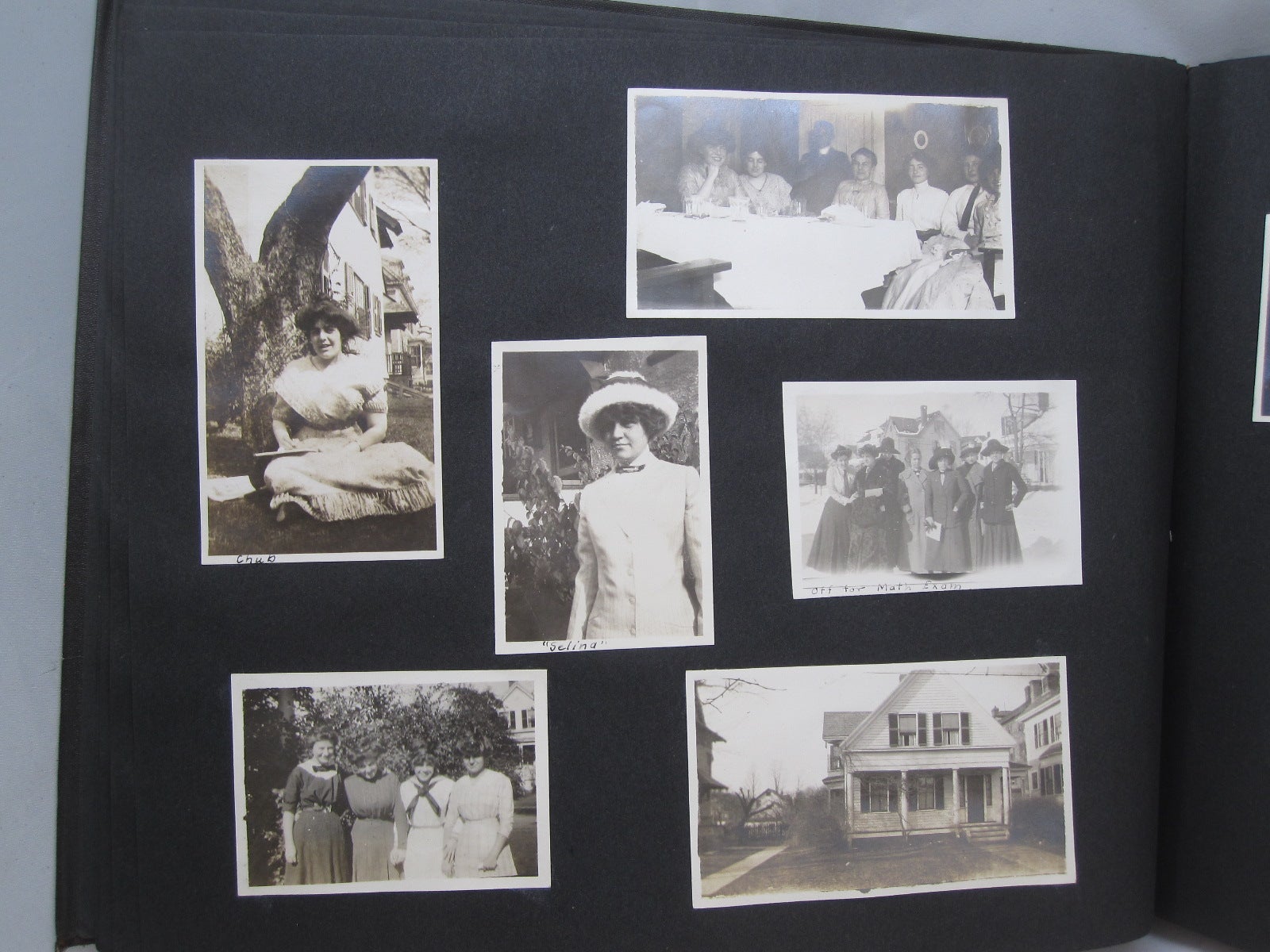
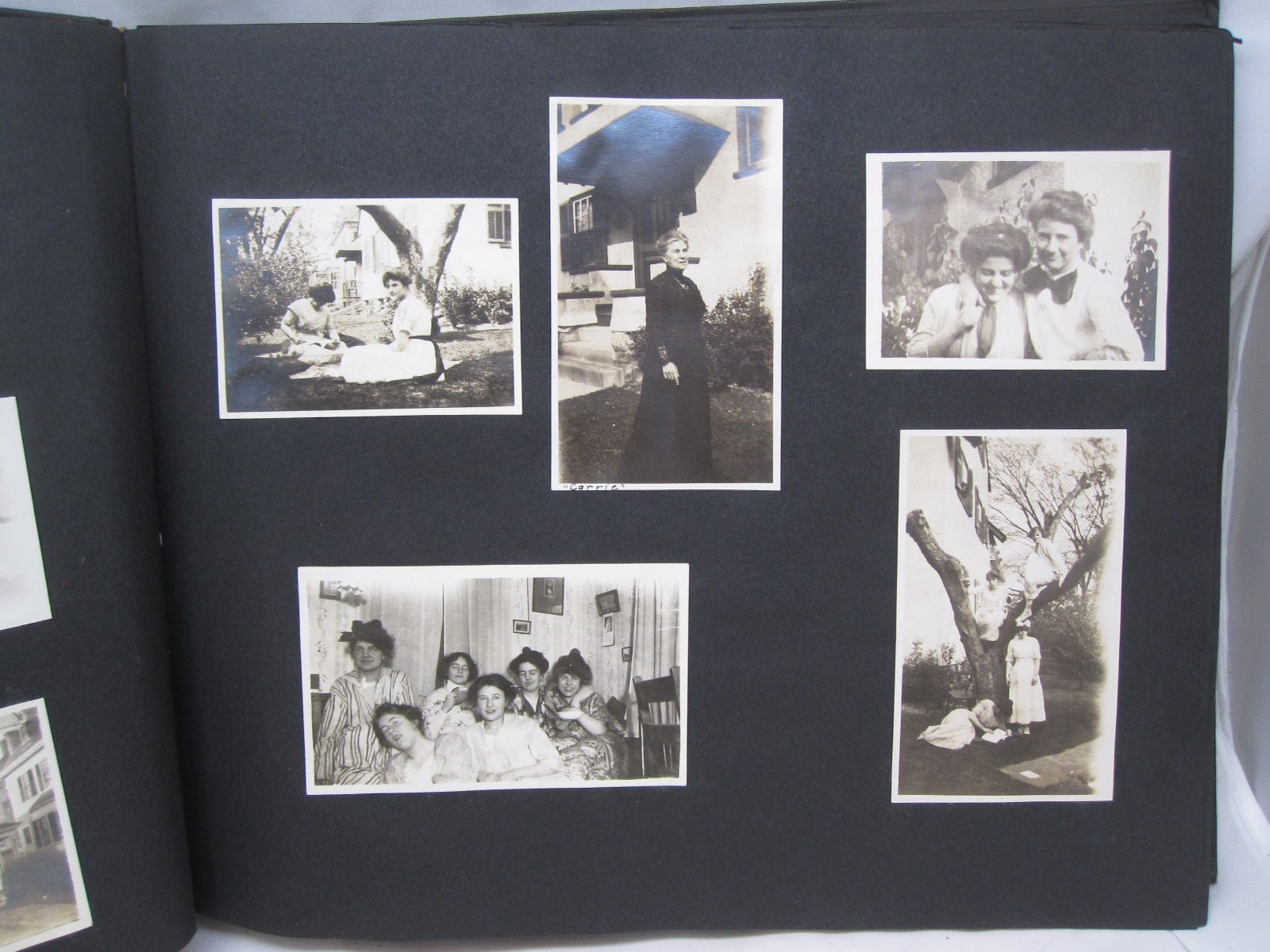
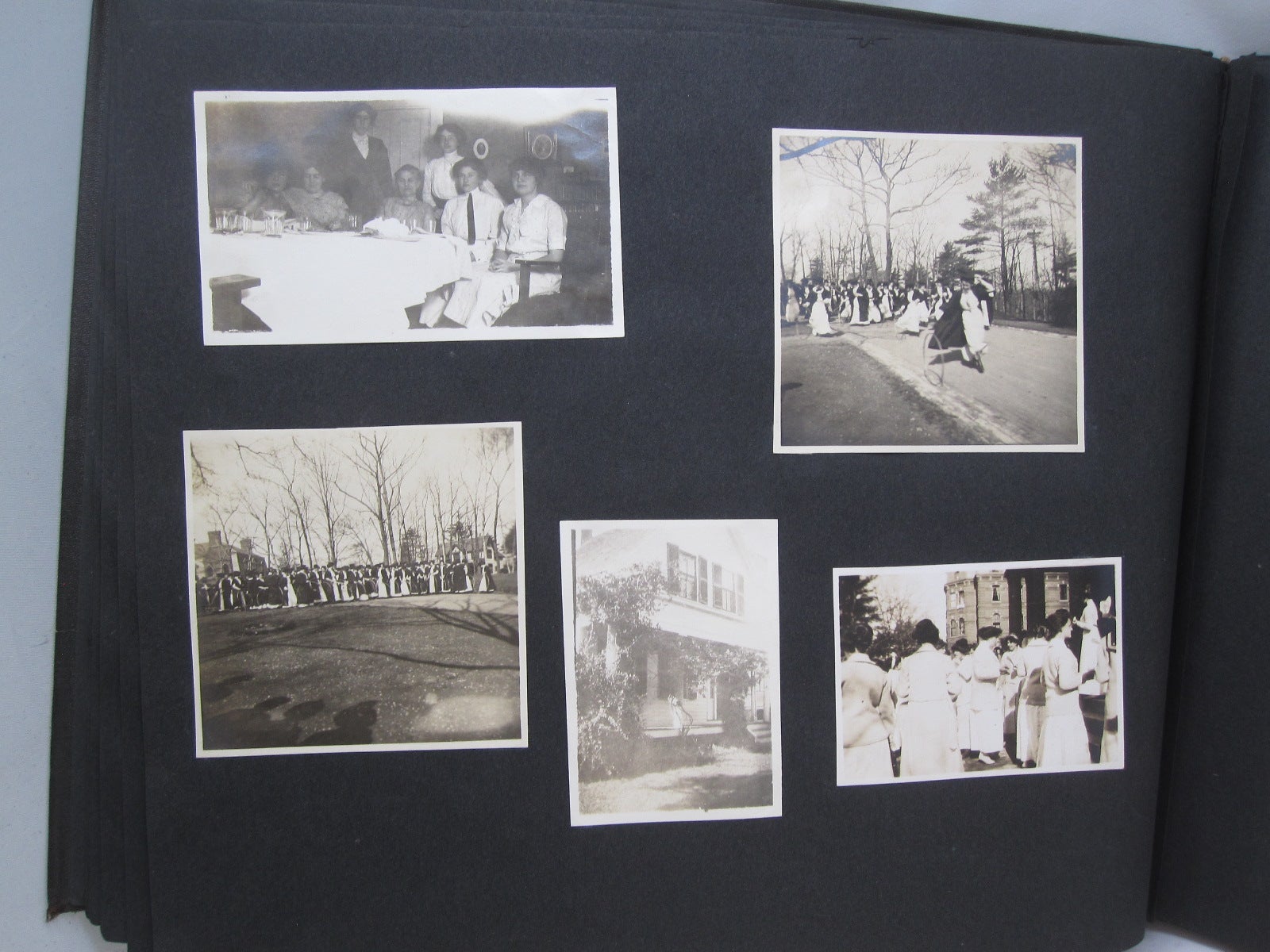
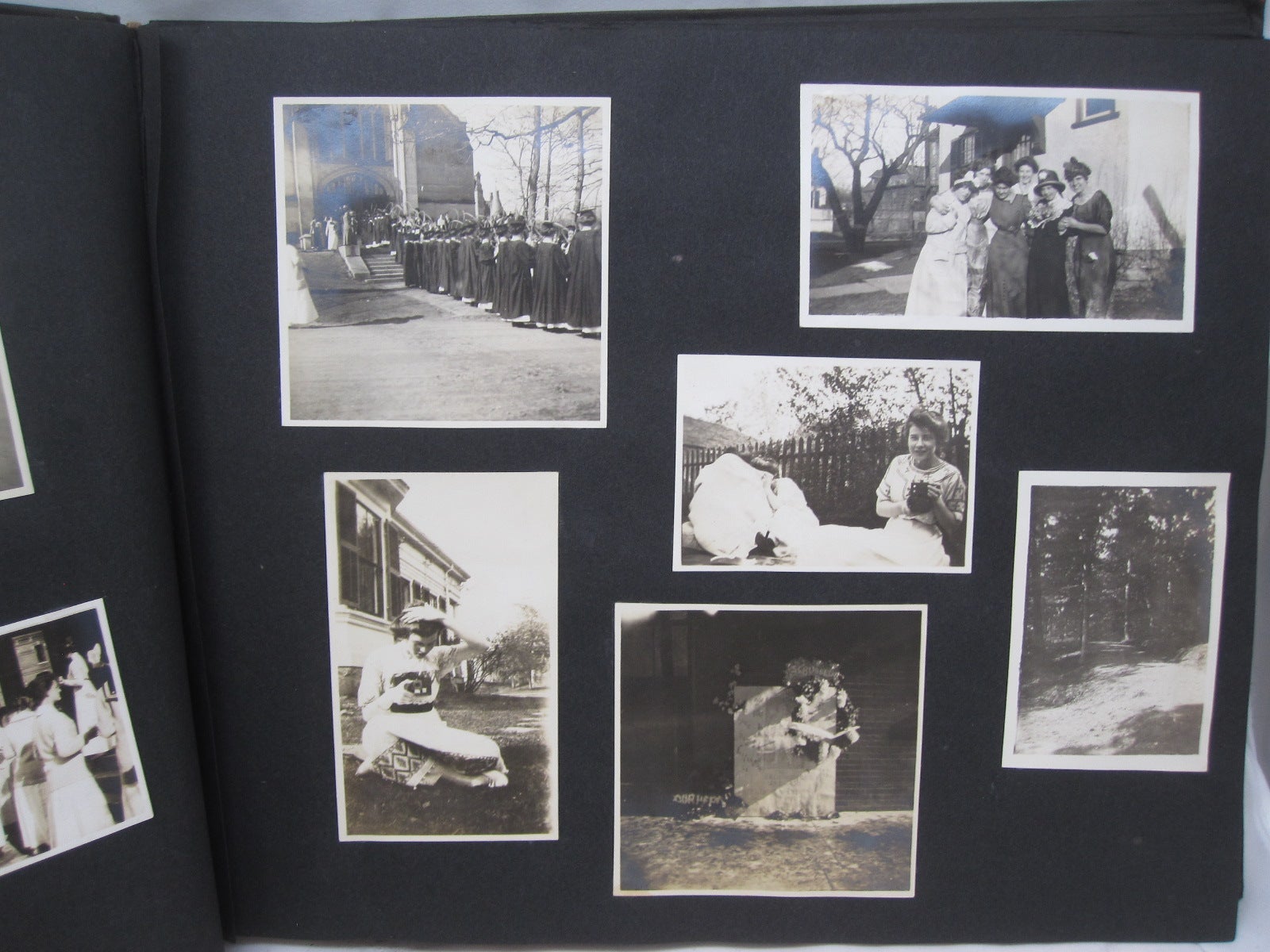
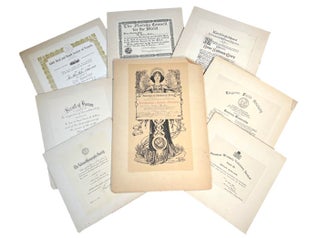
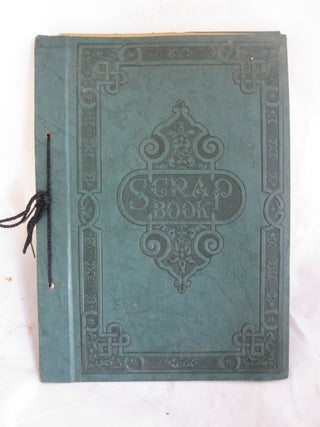
Photo album compiled by a female student at Wellesley College between 1911 and 1919 documents women’s higher education, collegiate ritual, and professional transition into teaching during the Progressive Era. The album traces the compiler’s path from secondary schooling through her collegiate years and into her early career as an educator, offering sustained visual evidence of female academic community at a time when women’s access to advanced scientific and liberal education was expanding but remained institutionally distinct. Founded in 1870, Wellesley College had by the early twentieth century established itself as a leading center for women’s study, particularly in the sciences, employing more female scientists than any other American institution of higher education. The photographs record campus architecture, traditions, intellectual life, and female peer networks, situating the album within the broader history of women’s collegiate culture and professionalization in the years immediately preceding and during the First World War.Album contains 143 original silver gelatin print photographs dating from 1911 to 1919, mounted on approximately 100 pages within original black cloth boards measuring 9 x 12 inches; photographs range in size from approximately 2 x 3 inches to 4 x 9.5 inches. Numerous images depict Wellesley College campus scenes, including Lake Waban and the chapel, student residences labeled “Wellesley 1911–1912,” and groups of students identified as “Students.” Candid captions document daily academic life: six women bundled in hats and coats captioned “Off for math exam,” students reading outdoors, communal meals, and informal portraits labeled with nicknames such as “Chub,” “Selina,” “Honey,” and “Marion.” Five photographs record the May Day 1912 “Senior Hoop Rolling” tradition. Additional academic images include interiors labeled “Drawing Room,” “Mr. Wilson’s Room,” “Assembly Room,” “Physics Lab,” and “Library” at “M.H.S.,” as well as a group of sixteen boys wearing “M” shirts with three coaches and a trophy banner reading “OCIAA Relay Race 1912.” Other collegiate references include “Harmony Hall” with caption “Inmates of H.H. 1913,” and two large group photographs of women in white dresses before a banner reading “ETA Clionian” (one dated 1914), associated with the teachers’ college at New Paltz. Geographic excursions are documented through images labeled Frontenac Point, Minnewaska, Mohonk, Yankee Lake in upstate New York, and Digby, Nova Scotia. Later photographs depict the compiler’s transition into teaching, with groups of children labeled “Primary” and “Intermediates,” a staged school production featuring children in Pilgrim costumes, and a building identified as “Quassaick Hall.”
Spanning the years 1911 to 1919, the album bridges the final prewar era of Progressive reform and the wartime transformation of American educational institutions. The visual record emphasizes female intellectual labor in mathematics and science, campus ritual, sororal association, and the socially sanctioned pathway from collegiate training to professional teaching. Wellesley’s prominence in scientific instruction for women situates the album within broader developments in women’s access to laboratory education and academic employment. The inclusion of regional travel and teacher-training imagery further contextualizes the educational mobility of middle-class women in the northeastern United States. One page detached but present; minor handling wear to boards; photographs generally clear with strong contrast; overall very good condition. A cohesive and expansive visual archive documenting women’s higher education, peer culture, and professional formation in the early twentieth century.
Item #16993
Price: $1,250.00
See all items in Massachusetts, Women’s Education
See all items in American History by State, Photography, Women’s History & Feminism
See all items by Wellesley College student
See all items in Massachusetts
Suggested Women’s EducationBrowse All

Suggested MassachusettsBrowse All



Suggested PhotographyBrowse All



Suggested American History by StateBrowse All